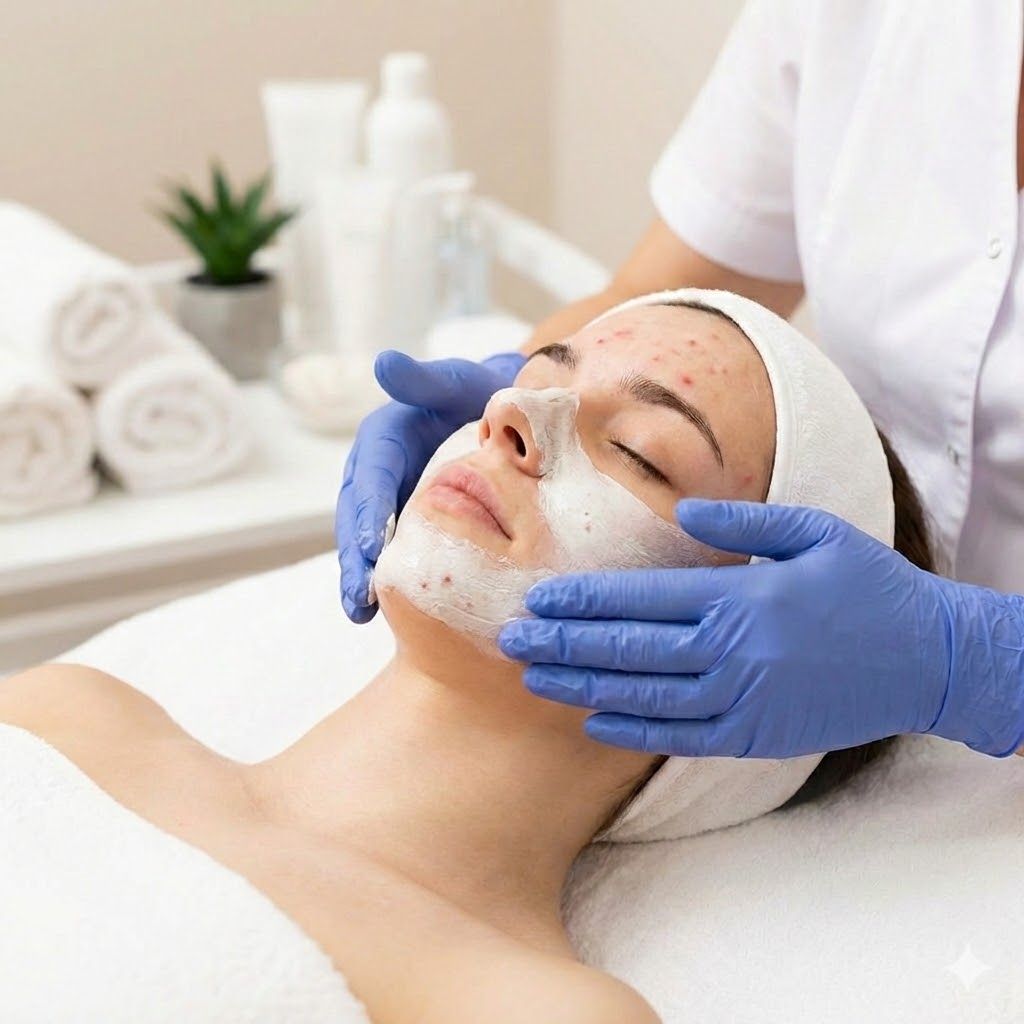
Phototherapy – Advanced Technology for Skin Treatment
Discover how phototherapy uses light to treat acne, pigmentation, wrinkles, and improve skin health - a natural, safe treatment with no side effects
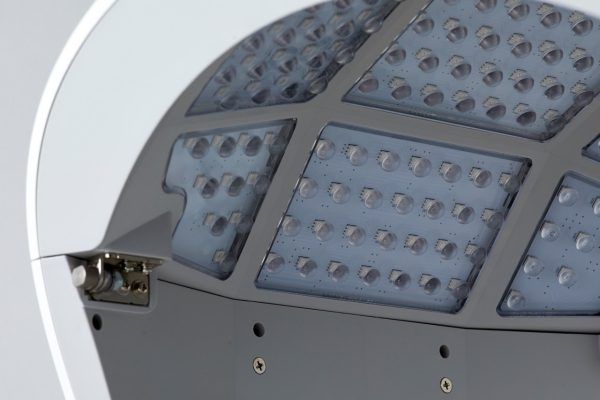
Phototherapy – Advanced Technology for Skin Treatment
Discover how phototherapy uses light to treat acne, pigmentation and wrinkles and to improve skin health — a natural, safe treatment with no side effects
Phototherapy is an advanced treatment technology that uses light at different wavelengths to treat a variety of skin concerns. The treatment is performed by exposing the skin to pulses of light that penetrate the deeper layers and help improve the skin's overall condition, reduce inflammation and enhance its health. Phototherapy offers effective solutions for acne, signs of aging, pigmentation and more.
How Does Phototherapy Work?
Phototherapy works through pulses of light at different wavelengths, which are absorbed by the skin cells and improve its natural processes. Each wavelength addresses a different skin concern:
- Red light (620–750 nm): helps reduce inflammation, stimulates collagen production and improves the skin renewal process
- Blue light (415–455 nm): intended for acne treatment, targeting acne bacteria and reducing their spread
- Green light (525–570 nm): treats pigmentation, balances skin color and reduces dark spots
The Benefits of the Technology
Phototherapy offers effective and safe solutions, both for professional use in clinics and for home use. The main benefits of phototherapy include:
- Reducing inflammation: the light pulses help reduce inflammation, one of the main causes of skin concerns such as acne
- Improving skin health: phototherapy encourages skin renewal and stimulates collagen production, which contributes to an improved facial appearance
- A natural, drug-free solution: this is a treatment that requires no medication or dietary supplements, reducing the need for chemical substances
- No side effects: phototherapy does not cause serious side effects, so it is suitable even for sensitive skin
How Does Phototherapy Help Treat Acne?
Acne is sometimes caused by bacteria located in the hair follicles, together with inflammation that forms following high acidity in the skin. Phototherapy treatment, especially with blue light, helps fight these bacteria and prevent their spread. Blue light penetrates the skin, reduces the bacteria and decreases local inflammation, leading to an immediate improvement in the skin.
During the treatment, the bacteria that lead to inflammation and create the blemishes are reduced, and as a result the number of blemishes also drops significantly.
Additional Benefits of Phototherapy for the Skin
- Improved skin texture: phototherapy helps reduce wrinkles, signs of aging and scars
- Reduced pigmentation: light therapy can help reduce dark spots and diminish the appearance of pigmentation in the skin
- Restoring the skin's glow: phototherapy helps improve the skin's overall radiance while keeping it soft and supple
Treatment and Phototherapy Recommendations
Phototherapy is a simple, pleasant and effective treatment. To achieve the best results, it is recommended to undergo a series of treatments with professional devices, or to combine phototherapy with other cosmetic treatments.
Frequently Asked Questions About Phototherapy
Frequently Asked Questions
Does phototherapy hurt?
No. Phototherapy is a non-invasive, painless treatment. Most clients report only a gentle warmth during the treatment.
How many treatments are needed to see results?
A series of 4–8 treatments at intervals of one to two weeks is usually recommended, depending on the condition of the skin and the treatment goals.
Are there any side effects?
Side effects are very rare. Mild redness may occur and fades within a few hours. The treatment is considered safe even for sensitive skin.
Is phototherapy suitable for all skin types?
Yes, phototherapy suits most skin types. However, it is recommended to consult a professional to match the most suitable wavelength and intensity to your skin type.
In Summary
- Phototherapy uses light at different wavelengths to treat a variety of skin concerns
- Red light encourages collagen, blue light fights acne, green light treats pigmentation
- A natural treatment, drug-free and with no significant side effects
- Suitable for all skin types, including sensitive skin
- Recommended to combine with other cosmetic treatments for optimal results
Phototherapy is an effective, natural and safe solution for skin treatment. With the right care, you can improve the appearance of your skin and restore its natural glow!
Targeted Acne Treatment